


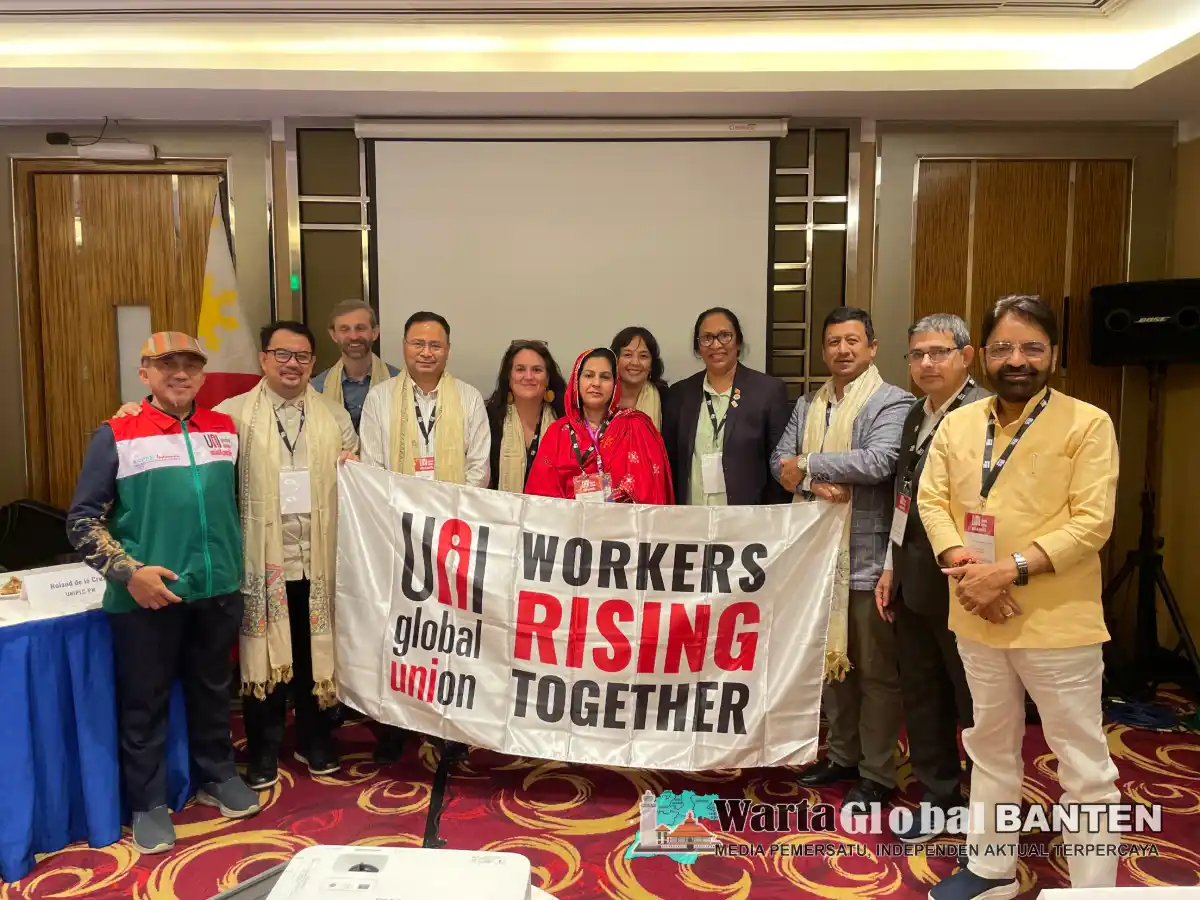
Warta Global Banten | MANILA — The Association of Indonesian Workers' Unions (ASPEK Indonesia) is calling for stronger protection and welfare for health workers and care workers amid shortages of health professionals, growing demand for care services, and the rapid adoption of digital technology and artificial intelligence (AI) in the health sector.
The call was made by Hengky Suryo W., Chair of the Health and Pharmacy Sector of the ASPEK Indonesia Federation and Chairman of the Krakatau Medika Employees Union (SKKM), during the UNI Apro Care forum in Manila, September 13–14, 2026.
Hengky emphasized that improving healthcare services must go hand in hand with improving workers' conditions.
“Health workers are an essential part of the healthcare system. Therefore, when we talk about improving the quality of health services, we must also talk about workers' protection, welfare, and working conditions.”
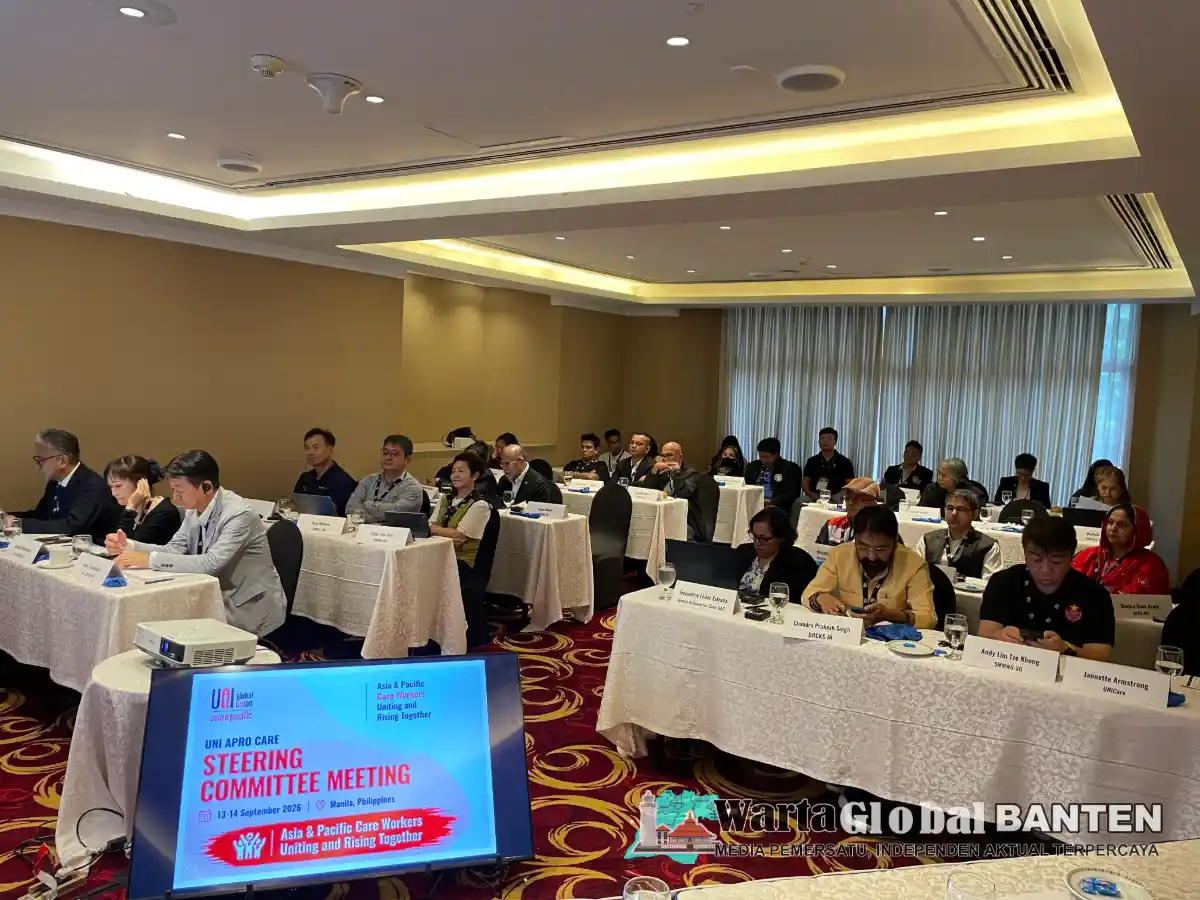
Health Workforce Shortages Remain a Challenge
Indonesia continues to face shortages and uneven distribution of health workers. The presentation highlighted a ratio of around 41 health workers per 10,000 population, while only about half of the need for specialist doctors has been met.
Uneven distribution, high workloads, overtime, fatigue, and staff turnover remain important concerns for workers and trade unions.
Hengky said collective bargaining must become a key instrument for addressing these challenges, including decent wages, safe staffing levels, working hours, occupational safety and health, and social protection.
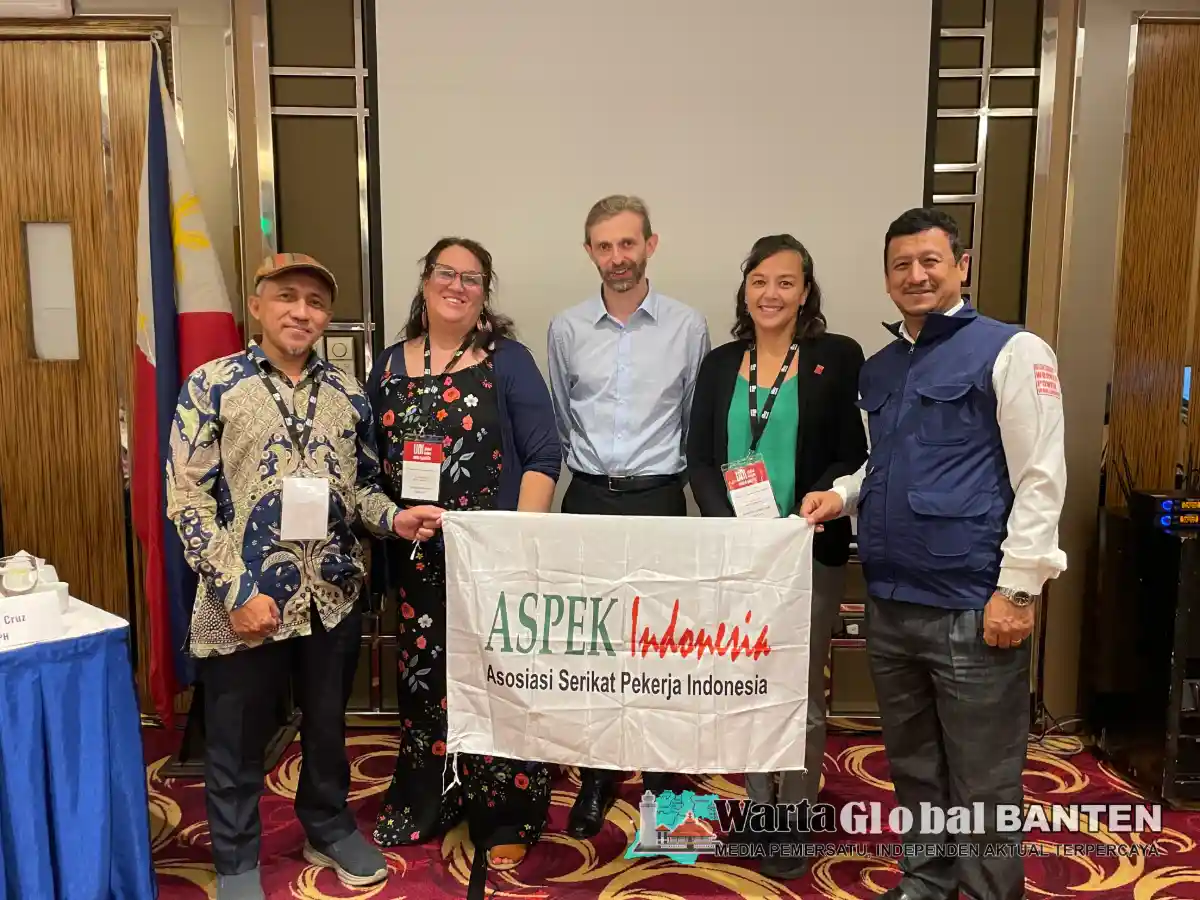
Care Workers Need Recognition and Protection
Indonesia is entering an ageing-population phase, which is expected to increase demand for elderly and other care workers.
However, care work continues to face challenges related to wages, recognition, working conditions, occupational safety, psychosocial support, formalization, and social protection.
“Care workers need to be recognized as workers performing valuable and dignified work. Care cannot be viewed only as a service; we must also ensure that the people providing that service have decent work and adequate protection,” Hengky said.
AI Must Support Workers, Not Replace Them
Digital transformation is rapidly changing healthcare workplaces. The presentation noted the growing use of electronic medical records and the SATUSEHAT digital health ecosystem.
ASPEK Indonesia views AI as both an opportunity and a potential risk for workers.
“AI should be used to support and strengthen workers, not become a reason to reduce or replace them.”
Hengky stressed that workers and trade unions must have a meaningful role in the introduction of new technologies, including planning, design, implementation, training, data protection, and risk assessment.
Protecting Migrant Care Workers
The growing international demand for Indonesian health and care workers also requires stronger protection for migrant workers.
ASPEK Indonesia highlighted the importance of ethical recruitment, recognition of qualifications and competencies, language preparation, equal treatment and pay, social protection, access to grievance mechanisms, and freedom of association.
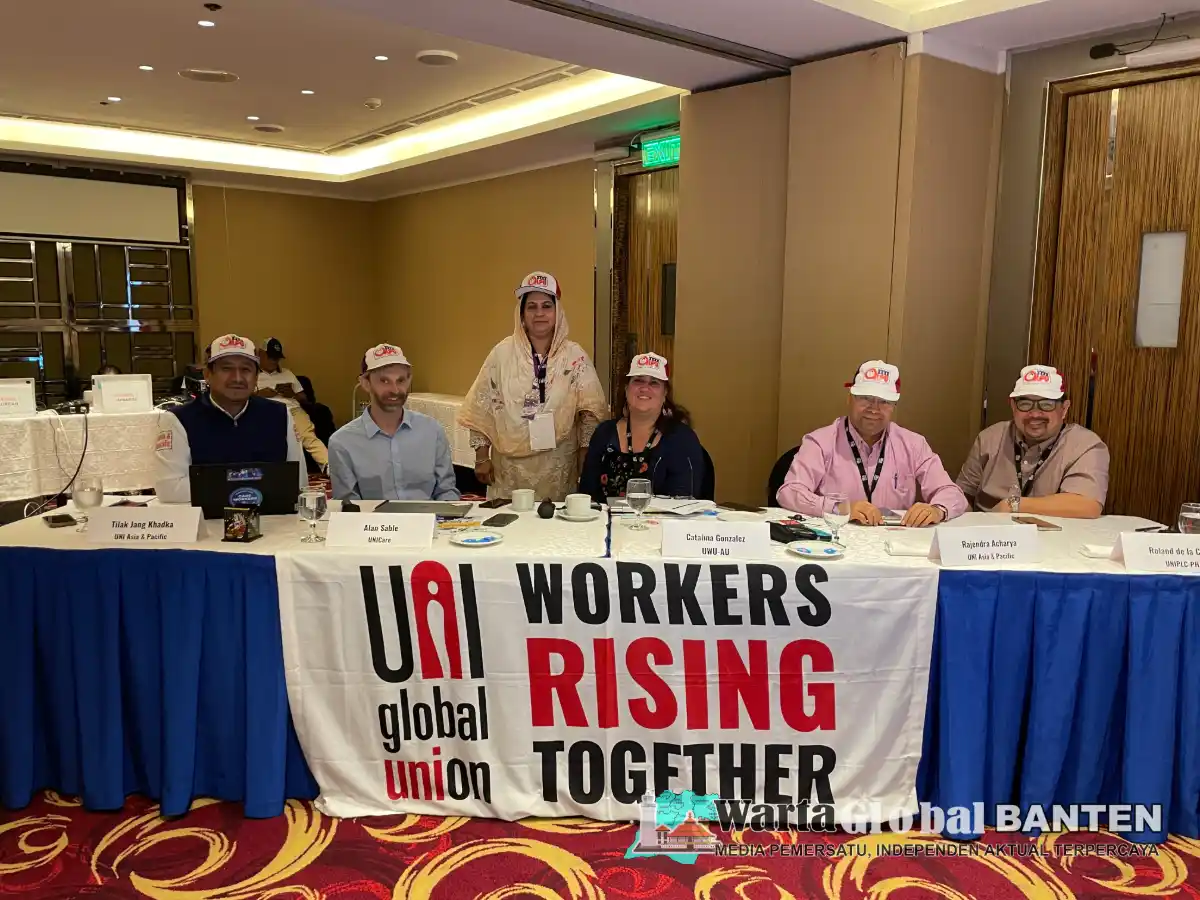
Women Health Workers Require Stronger Protection
Women make up a significant proportion of health and care workers. ASPEK Indonesia therefore considers protection against discrimination and harassment, maternity rights, mental health support, occupational safety, and work-life balance to be important priorities.
The union's program for women health workers focuses on creating workplaces that are safe, healthy, and fair.
ASPEK's 2026–2027 Agenda
Going forward, ASPEK Indonesia will focus on five priorities:
- Organize — expand union organizing among hospitals, pharmacies, medical-device workers, and care workers.
- Map — strengthen mapping of workforce conditions, contracts, wages, workloads, and health workforce needs.
- Bargain — strengthen collective bargaining on wages, staffing, working hours, occupational safety, and worker protection.
- Promote Just AI — ensure workers have a meaningful role in the implementation of AI and digital technologies.
- Strengthen Regional Solidarity — share Indonesian experiences and strengthen cooperation through UNI Apro.
Hengky concluded that protecting health workers is inseparable from improving the quality of care.
“Protected health workers lead to safer care services, and safer care services lead to healthier communities.”


